Northwest Passage
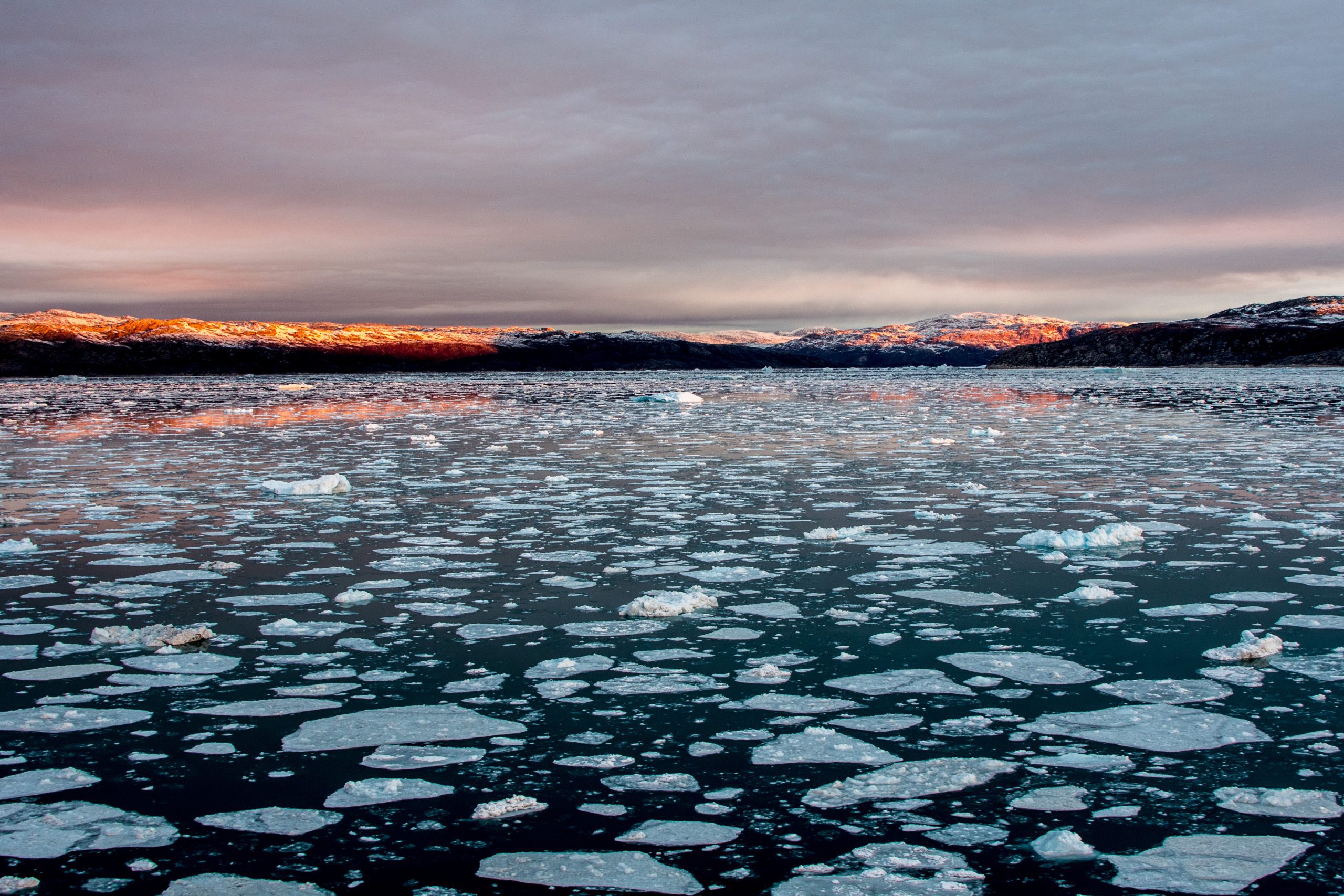
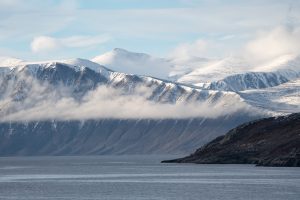
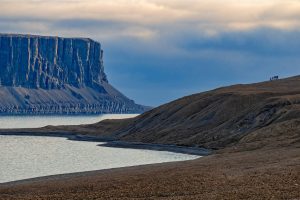
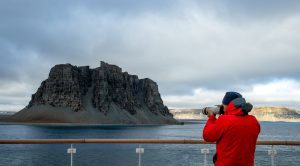
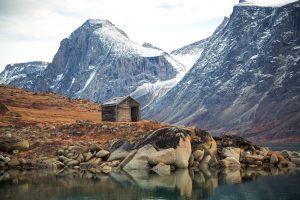
The Northwest Passage refers to the northern sea route connecting the Atlantic and Pacific Oceans in Canada’s remote Arctic archipelago. It is deeply rich with history as European explorers spent centuries navigating its icy channels searching for a shorter trade route to Asia.
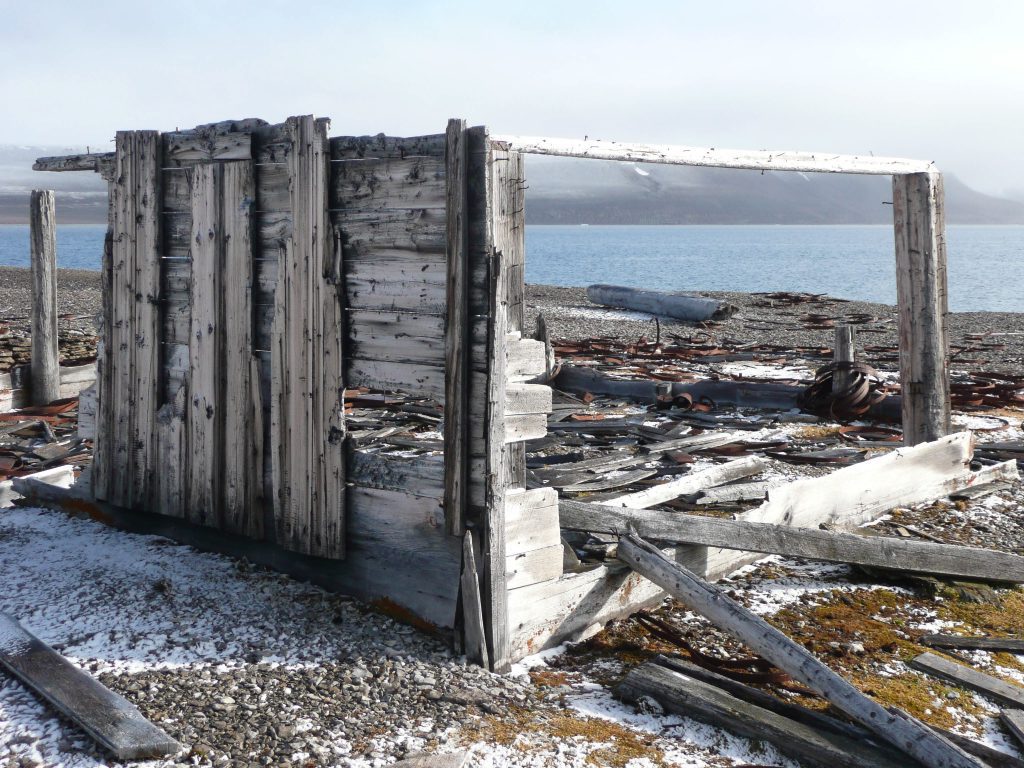
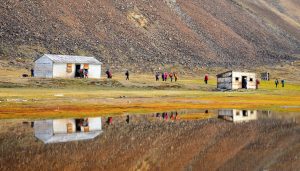
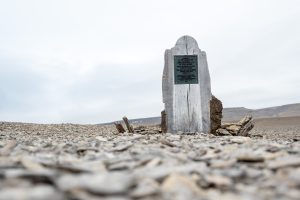
The first attempts seeking a marine shortcut were as early as 1576 by Martin Frobisher. It wasn’t until the 1903-1906 voyage by Norwegian Roald Amundson that the passage was finally completed. However, it was the ill-fated 1845 voyage led by Sir John Franklin, in which claimed the lives of all 129 men, that remains the most famous. The graves of three of his crew are still standing on Beechey Island. The wrecks of Franklin’s ships the HMS Erebus and Terror were only recently discovered in 2014 and 2016 near King William Island.
Discover Wildlife of the Northwest Passage
During the summer months, the Northwest Passage becomes home to a diverse array of seabirds and marine mammals. As you journey through these remote waters, you may encounter:
- Massive colonies of seabirds nesting along the rugged coastlines
- Whales surfacing in the icy waters
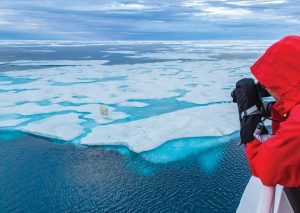
- Polar bears roaming the ice in search of prey
- Walruses congregating on ice floes
Sail Through History on a Northwest Passage Cruise
Follow in the wake of legendary explorers as you navigate the Northwest Passage, a remote and storied Arctic sea route connecting the Atlantic and Pacific Oceans. Experience a journey through stunning landscapes, rich wildlife, and Indigenous cultures, all while retracing the footsteps of history’s most daring adventurers.
Begin Your Arctic Exploration!
Discover our Northwest Passage cruises and immerse yourself in one of the most legendary voyages of polar exploration.
Explore Expeditions to the Northwest Passage
Northwest Passage FAQ’s
Where is the Northwest Passage?
The Northwest Passage is located in Nunavut, a vast northern Canadian territory.
Who was the first person to transit the complete Northwest Passage?
The Norwegian Roald Amundson on his 1903 – 1906 expedition.
Is there a local population that lives in the Northwest Passage?
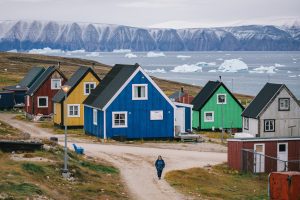
Yes! The Northwest Passage is home to several Inuit communities including Cambridge Bay, Kugluktuk, Gjoa Haven and Resolute.